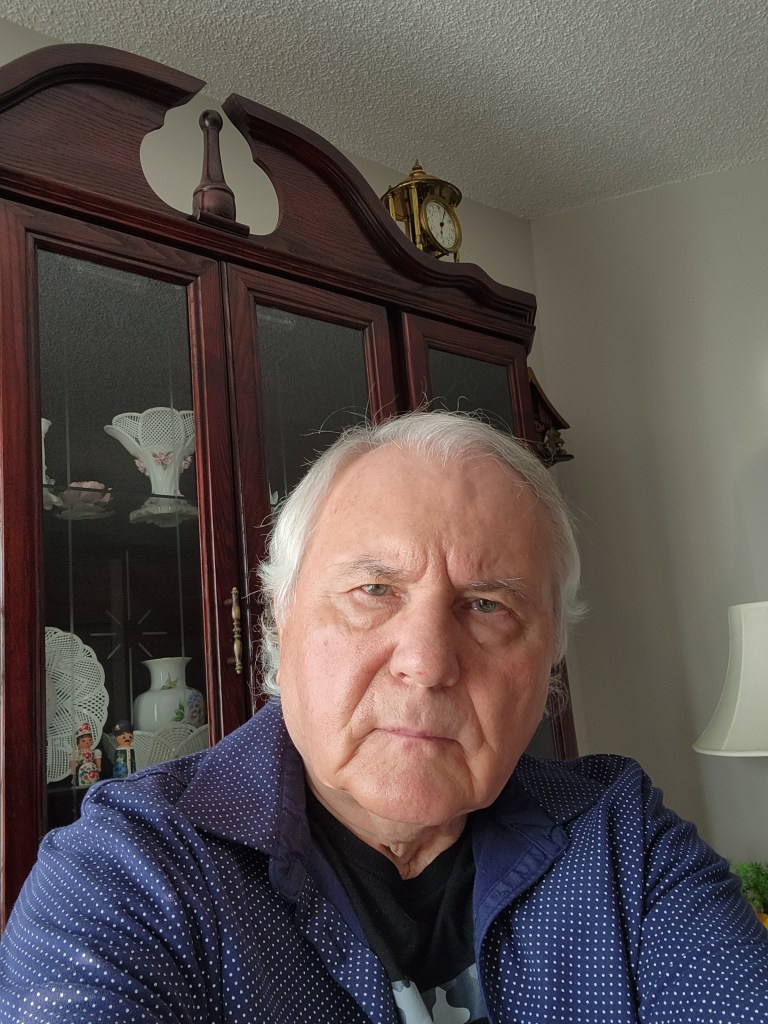
THE AUTHOR
András (André) Bányai is a Hungarian author living in Montreal, Canada, whose works, due to his Transylvanian origins, bring to life the realities behind the Iron Curtain, notably in Romania, emphasizing the disadvantaged situation and suffering of the population, in general, but particularly of the Hungarian minority, under the Ceausescu dictatorship. In this context, he explores, through his characters, the wish to escape the communist regime, compelling them to leave Transylvania and try to make a life for themselves abroad. These are the general themes he presents to his readers in both nonfictional and fictional works. His stated goal is to ensure that this difficult period is not forgotten due to generational change and, on the other hand, to give foreign readers an insight into the struggles and aspirations for freedom of those living under the so-called socialist society.
A SZERZŐ Bányai András, egy kanadai, Montreálban élő magyar szerző, akinek a munkái az erdélyi eredete miatt a Vasfüggöny háta mögötti életet elevenítik fel Romániában, kihangsúlyozva a Ceausescu diktatúra alatt szenvedő lakosság, főleg a magyar nemzetiség hátrányos helyzetét és szenvedéseit. Ezzel kapcsolatosan sokat foglalkozik az emigráció kényszerével, amit a hősei éreznek és ami arra készteti őket, hogy elhagyják Erdélyt és külföldön próbáljanak érvényesülni. Ezek az általános témák, melyeket egyrészt dokumentum, másrészt regény formájában tálal az olvasók elé. Bevalott célja, hogy a generációs változás miatt az a terhes időszak ne merüljön feledésbe, másrészt pedig, hogy a külföldi olvasó betekintést nyerjen, az ún. Szocialista társadalom alatt élők szabadság utáni törekvésébe és küzdelmeibe
EDITOR’S NOTE
András (André) Bányai was born in Kolozsvár in 1942. His parents were school servants at the elementary school on Honvéd Street. His father’s original occupation was bricklayer, but during World War II he could hardly find work, while his mother came to the city from Szentlászló, a small village barely 20 kilometers from Kolozsvár. His father was among the first to be drafted during the mobilization and was sent to the front as a Hungarian soldier in 1944. He was taken prisoner of war to the Soviet Union, from where he only returned home in 1948. He chose Cluj as his place of residence and soon became an activist in the Communist Party, thus sealing his family’s fate forever. The young András Bányai began his schooling in Cluj, then in 1951 the family moved to Bucharest, where his father worked for ARLUS (Asociația Română Pentru Strângerea Legăturilor cu Uniunea Sovietică — Romanian-Soviet Relations Association). He attended elementary school at the Hungarian school in Bucharest, then, after his family moved to Oradea, he continued his education at the Premontrei Gymnasium (officially known at the time as Lyceum No. 4). He also graduated from high school here. Fortunately for him, he had excellent Hungarian teachers; as he later recalled, it was within the walls of the high school that his worldview and his sense of Hungarian identity, which still define him today, were formed. “It was there that I absorbed the classical culture instilled in me by ‘the city of tomorrow’ and my famous Premontrei Lyceum – the alma mater where Gyula Juhász taught at the time. But it was also here that I learned the true history of our nation.” He continued his studies at the University of Economics in Bucharest, and in 1965, after obtaining a degree in economics, he found a job in Nagyvárad. In the meantime, he got married and had two sons. His family meant the most to him during the years of oppression, and fortunately, his wife felt and thought the same way. “I had an excellent marriage,” he emphasizes, “and we found great joy in our children.” With no small amount of luck, he joined the editorial staff of Fáklya, the only Hungarian-language daily newspaper in Oradea, in 1966, albeit only as an external contributor. He mainly wrote articles on economic topics.
He continued his work as a journalist even after he had taken on positions of responsibility in the economic life of Bihor County. At the same time, Nicolae Ceaușescu’s dictatorship made it impossible for people living in Romania—especially in Transylvania and, above all, those belonging to minority groups—to live a life worthy of human beings. András Bányai’s emigration in June 1986 was a natural consequence of the injustices he had endured and his instinctive unwillingness to compromise. Not to mention that he did not want to raise his children in the Romanian public atmosphere and living conditions. They lived in Austria for two years, within the walls of the legendary Traiskirchen refugee camp, before they received permission to travel to Canada. As he did not know German, he was only employed temporarily in Austria. In February 1988, he arrived in Canada alone, where he took part in language and professional training courses, and in April 1989 he finally managed to find a job at a travel agency. His family followed him to Montreal in November 1988. In 1998, once their situation had stabilized, he launched a Hungarian-language newspaper, the Montreal Chronicle, in which he also published his own articles. He did all this on his own, outside of working hours. By the turn of the millennium, they had successfully integrated into the “new world,” but his wife’s prolonged illness and subsequent death in 2008 disrupted all their plans. Fortunately, their children were already on their own by then and did not need their parents’ support. Gradually, Bányai also retired from his daily work—since 2010, he has only been an external employee of the travel agency.
After his retirement, he began writing longer prose works, and his historical works were gladly published by Kráter Kiadó in Pomáz. “I have come into contact with many people throughout my life,” says the writer, “and then, during my emigration, I learned about the lives and experiences of Hungarian refugees. Their stories left a deep impression on me, and at a certain point, I felt that I had to tell the stories of these people and the events connected with them. Because what we have experienced must be passed on to future generations. It is simply not possible for everything that happened to us to be lost in the whirlwind of history. This is now my life’s goal.
A SZERKESZTŐ BEJEGYZÉSE
Bányai András 1942-ben született Kolozsvárott. Szülei iskolaszolgák voltak a Honvéd utcai elemi iskolában. Édesapja eredeti foglalkozása kőműves, de a második világháború alatt alig talált munkát, édesanyja a Kolozsvártól alig 20 kilométerre fekvő apró falucskából, Szentlászlóról került fel városra. Apját a mozgósítások során az elsők között sorozták be, s 1944-ben mint magyar katona került ki a frontra. Hadifogolyként a Szovjetunióba hurcolták, ahonnan csupán 1948-ban került haza. Kolozsvárt választotta lakóhelyül, s hamarosan a kommunista párt aktivistája lett – örökre megpecsételve ezzel családja sorsát. Az ifjú Bányai András Kolozsvárott kezdi meg iskoláit, majd 1951-ben Bukarestbe költöznek, ahol apja az ARLUS (Asociația Română Pentru Strângerea Legăturilor cu Uniunea Sovietică — Román–Szovjet Kapcsolatok Társasága) szolgálatába áll. Az elemit a bukaresti magyar iskolában, majd a család Nagyváradra költözését követően a váradi Premontrei Gimnáziumban (korabeli hivatalos nevén: a 4-es számú Líceumban) folytatja. Itt is érettségizik. Szerencséjére kitűnő magyartanárai voltak; mint utóbb felidézte, tulajdonképpen a líceum falai közt forrt ki világszemléletét mindmáig meghatározó magyarságtudata. „Ott szívtam magamba azt a klasszikus kultúrát, amelyet »a holnaposok városa« és az én híres Premontrei Líceumom öntött belém – az alma mater, ahol Juhász Gyula tanított annak idején. De itt ismertem meg nemzetünk igazi történelmét is.” Tanulmányait a bukaresti közgazdasági egyetemen folytatta, majd 1965-ben, közgazdászdiplomát szerezve, Nagyváradon szerzett állást. Időközben megnősült, két kisfi a született. Családja jelentette számára a legtöbbet az elnyomatás éveiben, s szerencsére felesége is ugyanígy érzett, gondolkodott. „Kitűnő házasságom volt – hangsúlyozza –, és rengeteg örömöt találtunk a gyermekeinkben.” Nem kis szerencsével – jóllehet, csak külső munkatársként – 1966-ban bekerült az egyedüli magyar nyelvű nagyváradi napilap, a Fáklya szerzőgárdájába. Főként gazdasági témájú cikkeket írt. Szakújságírói tevékenységét töretlenül folytatta akkor is, amikor már felelős posztokat töltött be a bihari gazdasági életben. Nicolae Ceaușescu diktatúrája ugyanakkor lehetetlenné tette a Romániában – főként Erdélyben s legkivált a kisebbségi sorban – élők számára az emberhez 341 méltó életet. Bányai András 1986. júniusi emigrációja természetes következménye volt az eltűrt sérelmeknek és az ösztönös meg nem alkuvásnak. Nem is szólva arról, hogy gyermekeit sem kívánta a romániai közhangulatban és létkörülmények között felnevelni. Két évet éltek Ausztriában, a legendás traiskircheni menekülttábor falai között, mire megkapták az engedélyt, hogy Kanadába utazhassanak. Minthogy a német nyelvet nem ismerte, Ausztriában csupán ideiglenesen alkalmazták. 1988 februárjában egyedül érkezett Kanadába, ahol nyelvi és szakmai továbbképzéseken vett részt, s így 1989 áprilisában végre sikerült elhelyezkednie egy utazási irodában. Családja 1988 novemberében követte őt Montrealba. 1998-ban, miután helyzetük konszolidálódott, elindított egy magyar nyelvű újságot, a Montreali Krónikát, amelyben saját cikkeit is megjelentette. Mindezt önerőből, munkaidőn kívül. Az ezredfordulóra szerencsésen beilleszkedtek az „új világ”-ba, felesége elhúzódó betegsége, majd 2008-as halála azonban minden tervet felborított. Szerencsére gyermekeik ekkor már a saját útjukat járták; nem voltak rászorulva szüleik támogatására. Fokozatosan Bányai is visszavonult a mindennapi munkától – 2010 óta már csak külső munkatársa az utazási ügynökségnek.
Nyugdíjazását követően nagyobb lélegzetű prózai művek írásába kezdett, s történelmi korrajz értékű munkáit a pomázi Kráter Kiadó szívesen megjelentette. „Életem során rengeteg emberrel kerültem kapcsolatba – vallja az író – majd az emigráció alatt megismertem a menekülő magyarok életét és tapasztalatait. Elbeszéléseik mély nyomot hagytak bennem, és egy adott pillanatban úgy éreztem: muszáj mesélnem ezekről az emberekről és a velük összefüggő eseményekről. Mert amit mi átéltünk, tovább kell adnunk az újabb generációknak. Egyszerűen nem lehet, hogy mindaz, ami velünk történt, csak úgy elvesszen a történelem forgatagában. Ez most már az életcélom.
 Site Title